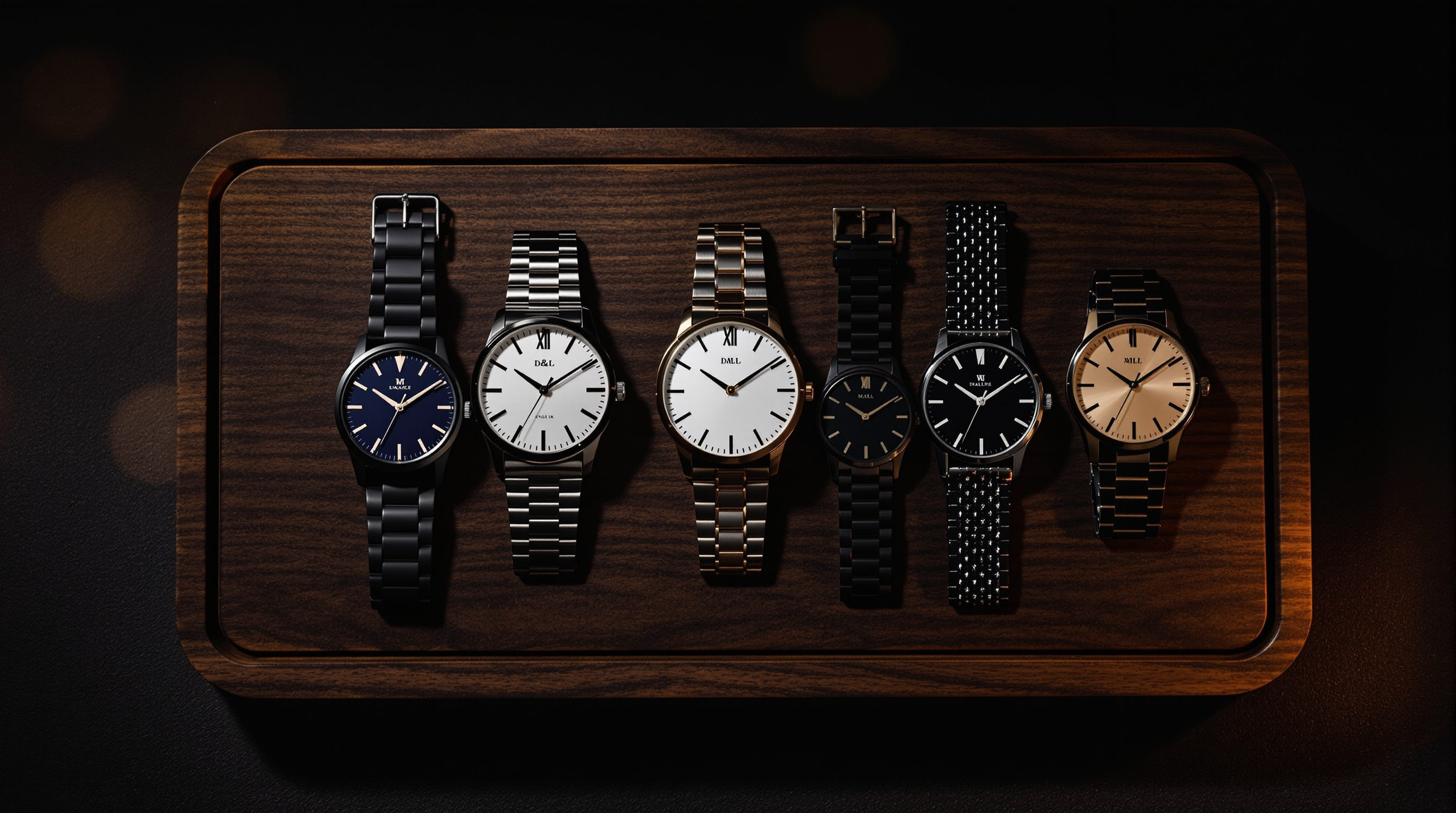
Watch collecting occupies a fascinating space between connoisseurship and obsession, between financial pragmatism and pure emotional response. The greatest collectors share certain qualities — patience, curiosity, a willingness to learn from both purchases and mistakes — but their collections are as individual as their personalities. There is no single right approach, though there are approaches that tend to produce greater satisfaction over time.
The Case for Thematic Collections
The most cohesive collections are built around a theme. That theme might be technical — one collector acquires only watches with visible tourbillons; another focuses exclusively on minute repeaters. It might be historical — a collection built around a particular decade of watchmaking, acquiring references that capture the design language of their chosen era. It might be personal — watches associated with particular professions, expeditions, or historical events.
Thematic collections have a natural logic that makes each acquisition feel purposeful rather than arbitrary. They also tend to appreciate more coherently over time, since the collector develops genuine expertise in a focused domain.
Buying With the Heart or the Head
The tension between emotional and rational acquisition haunts every collector's journey. A watch that produces an immediate visceral response carries its own argument for purchase. But passion without knowledge is expensive education.
The experienced collector learns to interrogate their emotional responses. Is this desire rooted in genuine appreciation of the watch's qualities, or is it a reflexive response to brand prestige, peer influence, or the novelty of an unfamiliar aesthetic? Cultivating the ability to distinguish between these motivations is one of the discipline's most valuable skills.
Condition and Originality
In the watch world, originality is everything. A watch that retains its original dial, hands, case finishing, and movement components is categorically more valuable than the same reference with replaced or serviced parts. The patina of an original, unpolished case tells a truer story than a repolished case that looks superficially newer but has lost the evidence of its history.
The collector's vocabulary for condition is precise. “NOS” (new old stock) describes unworn examples from prior eras. “Tropical” refers to dials that have undergone chemical changes over decades, producing brown or chocolate tones that certain collectors prize above the original colour. “Service replacement” parts, even when original equipment components, affect desirability in the vintage market.
The Patience Principle
The best collector purchases are seldom the most impulsive. The pieces that produce lasting satisfaction are those researched over time, waited for patiently, and acquired at appropriate valuations. The collector who has spent three months studying a reference before acquiring it is far better positioned to appreciate, protect, and make a sound decision about that watch.
Patience also applies to selling. Collectors who hold positions in significant references through cycles of market enthusiasm and correction generally fare better than those who make reactive decisions based on short-term price movements.
Storing and Displaying Your Collection
Proper storage protects both the mechanical and aesthetic condition of your watches. Individual leather pouches or fabric rolls protect cases from contact damage when travelling. At home, a watch winder is appropriate for automatic watches that would otherwise run down; a quality winder rotates in both directions at a programmable rate calibrated to the movement's rotor specifications.
Display cases with UV-filtering glass protect dials from fading caused by light exposure — an often-overlooked risk with vintage watches whose original lacquer is sensitive to ultraviolet radiation.
The Community of Collectors
Collecting in isolation denies you one of the hobby's greatest pleasures: the exchange of knowledge, shared enthusiasm, and the occasional unexpected source that emerges from community relationships. Watch enthusiast forums and collector communities have produced deep archival knowledge about specific references, service histories, and provenance that cannot be found in official literature.